What this is
Class A is the highest fire-resistance
classification for roof coverings under ASTM E108 (and UL 790). It measures
resistance to intermittent and continuous flame exposure, flying-brand
ignition, and burning-brand penetration. California Public Resources Code §4291
and California Residential Code R902 require Class A roof coverings on new and
replacement roofs in designated WUI fire zones — which, in Marin and Sonoma,
includes most hillside areas and many rural inland properties. The
classification applies to the assembly (covering + underlayment +
deck), not just the visible shingle, so the rating depends on the system
being installed as listed.
When this applies in the North Bay
Whether your home is in a WUI zone is a public record. CAL FIRE publishes
maps for State Responsibility Areas, and local jurisdictions publish
Very High Fire Hazard Severity Zone maps for Local Responsibility Areas.
In practice for our service area:
- Marin County: Most of unincorporated west Marin
(Inverness, Point Reyes Station, Bolinas, Stinson Beach), much of
Mill Valley, the hillsides of San Anselmo, Ross, Kentfield, Fairfax,
Tiburon, Sausalito, and large portions of Novato. If you're on a
hillside in Marin, assume WUI.
- Sonoma County: Most rural areas, the Sonoma Valley
east side, hill country in Glen Ellen, Kenwood, west Sebastopol, and
portions of Petaluma's outskirts. The 2017 and 2020 fires brought
WUI mapping into sharper focus across Sonoma.
- East Bay edges we serve: Hills above Berkeley
(including Kensington) are WUI.
When you pull a roof replacement permit, the jurisdiction will verify
fire-zone status and require documentation that the proposed system is
Class A. The contractor's quote should name the listed assembly — not
just "Class A shingle."
Warning signs & common mistakes
Common pitfalls in WUI re-roofing:
- Quoting a "Class A shingle" without the rated assembly.
A shingle's fire rating depends on the underlayment and deck spec it
was tested with. A Class A shingle installed over an unlisted
underlayment is no longer a Class A assembly. Demand the listing.
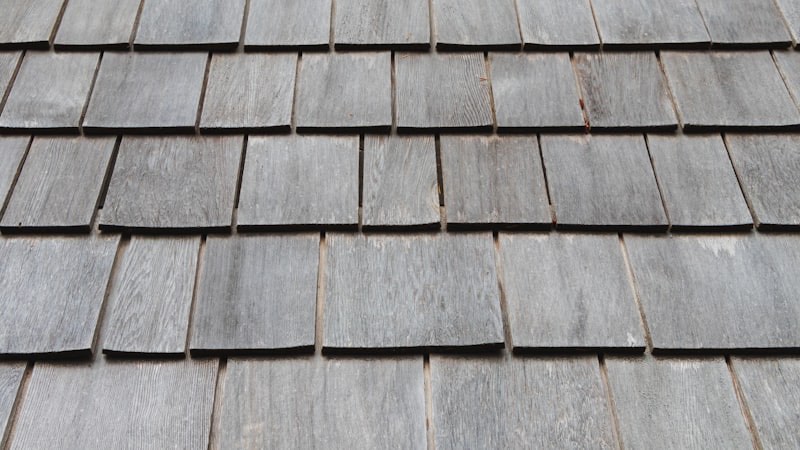
- Wood shake / shingle as a "Class A treated" system.
Fire-retardant treated wood shakes exist but require ongoing
re-treatment and are not widely accepted by Marin and Sonoma
insurers in WUI zones. Most clients moving from wood shake go to
SBS shingle, tile, or metal.
- Eaves, vents, and gutter screens not addressed.
Ember entry doesn't stop at the roof — the assembly is only one part
of the fire-hardening picture. Boxed eaves, fine-mesh attic vents
(1/8" max), and ember-resistant gutter screens are typically
required by jurisdiction. We coordinate these with the homeowner.
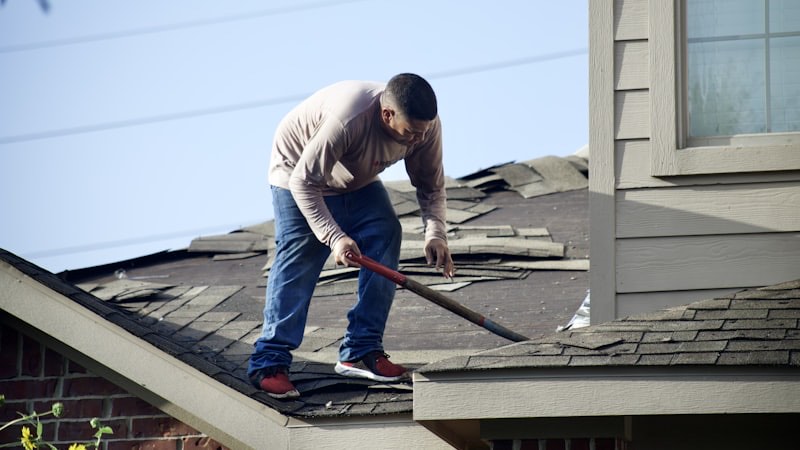
- Overlay attempts in WUI zones. Most WUI jurisdictions
require tear-off (full deck inspection) for re-roof permits.
Overlay over an existing roof in a WUI zone is rarely permitted.
- Skipping the new
ice & water shield at
valleys and penetrations. The Class A assembly requires
consistent underlayment performance. Saving on shield material
voids the listing.
- Insurance non-renewal as a surprise. Several major
California carriers are non-renewing in WUI without a recent
Class A re-roof. The non-renewal letter forces the replacement
timeline.
How Northern Pacific handles this
Northern Pacific is GAF Master
Elite and Malarkey Emerald
Certified. We default to two Class A assemblies on WUI work:
- Malarkey Vista AR SBS Polymer-modified asphalt shingle
over Malarkey synthetic underlayment, plus
ice & water shield at valleys
and penetrations. Carries a 25-year Malarkey Emerald Premium warranty,
transferable.
- GAF Grand Sequoia AS / Timberline AS II (Class A
rated assembly) over GAF Tiger Paw or Deck-Armor underlayment with
GAF StormGuard at valleys. Carries the 25-year GAF Golden Pledge
warranty when installed by a Master Elite contractor.
For flat or low-slope sections on the same home, we install
PVC single-ply membrane —
naturally Class A rated and Title 24 cool-roof compliant in one product.
For tile, we install Eagle and Boral assemblies in concrete and clay,
each with their listed Class A assemblies.
We pull the permit, document the listed assembly, and hand the
homeowner the closeout package they'll need at resale or insurance
renewal. CA Lic. #812250.
What to do next
If you're in a WUI zone with a roof older than 20 years — especially with a
non-Class A roof, like cedar shake or older 3-tab shingle — start the
replacement conversation before your insurer forces it.
Get a free Class A roof estimate
Call (415) 456-3482
For the related energy-code rules, see
California Title 24 and Your Roof Replacement. For cost ranges, see
Roof Replacement Cost
in Marin County.
Frequently asked questions
How do I find out if my home is in a WUI fire zone?
Check CAL FIRE's Fire Hazard Severity Zone viewer for State Responsibility Areas (statewide map). For Local Responsibility Areas (most of incorporated Marin and Sonoma cities), check your city or county fire department's Very High Fire Hazard Severity Zone map. Marin County's GIS portal and Sonoma County's Permit Sonoma site both show fire-zone overlays on parcels. Your insurance carrier almost certainly knows already.
Can I still have wood shake in a Marin WUI zone?
Existing wood shake roofs in WUI zones are generally allowed to remain but cannot be replaced like-for-like — the replacement must be Class A. Some fire-retardant-treated (FRT) wood products carry Class A ratings, but require ongoing maintenance and aren't widely insurable in California WUI today. Most clients converting from wood shake go to SBS shingle, concrete tile, or metal.
Is concrete or clay tile better than shingle for a WUI roof?
Both can be Class A. Tile is non-combustible (no surface ignition), heavier (deck must support it), more expensive, and longer-lived (40+ years). SBS-modified shingle is also Class A, lighter, less expensive, and easier to repair. Choice usually comes down to deck capacity, budget, and aesthetic — not fire safety in itself, since both pass.
What about Class B or Class C rated roofs?
Class B and Class C are lower fire-resistance ratings and are not legal in WUI zones for new or replacement roofs. They may still be present on existing non-WUI roofs. If your roof is currently Class B or C and you're in a WUI zone, the next replacement must upgrade to Class A — this is non-negotiable by code.
Related guides
Terms in this guide
Related services
Reviewed by
Barry Murrin
Founder & Owner, Northern Pacific Roofing — reviewed for technical accuracy
Last updated:
Methodology
WUI applicability and material guidance reflect California Residential Code R902, CAL FIRE Office of the State Fire Marshal listed roof coverings, and 24 years of NPR field experience installing Class A assemblies across Marin and Sonoma County WUI parcels.