
Flat-Roof Systems in San Francisco, CA
Are persistent puddles or musty odors plaguing your flat roof? We diagnose issues and provide lasting solutions to protect your property's integrity.
Addressing Flat-Roof System Failures in Your San Francisco Property
Are you noticing persistent puddles on your San Francisco flat roof long after the fog lifts or a light rain passes? Have you spotted unsightly moss or algae growing across your commercial building's rooftop, or perhaps a faint musty odor within your multi-family residence? These aren't just minor annoyances; they are clear indicators that your flat-roof system's integrity is compromised, especially in San Francisco's damp, salt-air climate. Ignoring these warning signs can lead to accelerated material degradation, costly interior water damage, and even structural issues, impacting tenant satisfaction or business operations. When the performance of your flat-roof system is in question, Northern Pacific Roofing provides the expert assessment and durable solutions you need to protect your valuable property.
Is Your San Francisco Flat Roof Showing These Warning Signs?
Your flat roof is a critical component of your San Francisco property, constantly exposed to the elements. Recognizing the early warning signs of a failing system can save you from more extensive and expensive problems down the line. We’ve seen these issues manifest countless times, and they always require professional attention.
Persistent Ponding Water on the Roof Surface
You see standing puddles on your flat roof hours, or even days, after a rain shower or a particularly heavy fog event. These areas might be discolored or have visible sediment rings, indicating that water is not draining correctly. This persistent ponding indicates either inadequate roof drainage, structural deflection (sagging) in the roof deck, or blockages in the scuppers or drains. The membrane is constantly immersed, accelerating its breakdown. Prolonged water exposure rapidly degrades roofing membranes, leads to leaks, fosters moss and algae growth, and adds significant weight to the roof structure, potentially causing further damage and costly interior leaks.
Visible Cracks, Blisters, or Bubbles in the Membrane
You observe fissures, raised bumps, or air pockets forming on the surface of your flat roof membrane, especially in sun-exposed areas or near rooftop equipment. These are signs of thermal stress, UV degradation, or trapped moisture within the roofing layers. The membrane is losing its elasticity and protective qualities, creating direct pathways for water intrusion. Cracks and blisters are precursors to leaks; once the membrane is compromised, water can penetrate insulation and structural components, leading to extensive damage and the need for significant repairs or even a full roof replacement.
Moss, Algae, or Fungal Growth
Patches of green, black, or dark organic growth are visible on the flat roof surface, particularly in shaded areas or where water tends to collect. This is a clear indicator of persistent dampness and moisture retention on the roof. The organic growth traps even more moisture against the membrane, accelerating its decomposition and compromising its waterproofing capabilities. Moss and algae not only degrade the roofing material but can also obscure small cracks or punctures, making early leak detection difficult. They contribute to a continually wet surface, weakening the system over time and potentially leading to premature failure.
Musty Odors or Stains on Interior Ceilings/Walls
You detect an unexplained damp or moldy smell inside your San Francisco property, often accompanied by subtle water stains, discoloration, or peeling paint on ceilings or upper walls. These are definitive signs of active or historical water intrusion from your flat-roof system. Water is seeping through the roof and into your building's interior, potentially affecting insulation, drywall, and structural elements. Hidden moisture can lead to significant mold growth, posing health risks and requiring extensive remediation. Structural damage can compromise the building's integrity, and ongoing leaks can disrupt business operations or tenant comfort.
Compromised Flashing Around Rooftop Units
You see gaps, tears, rust, or sealant failure around vents, skylights, HVAC units, or parapet walls on your flat roof. Flashing is a critical component that seals the junctures where the roof membrane meets vertical surfaces or penetrations. When it's compromised, these become primary entry points for water, especially during wind-driven rain common in San Francisco. Faulty flashing is one of the most common sources of leaks on flat roofs. Ignoring it guarantees water intrusion, often in hard-to-trace locations, leading to interior damage and potentially affecting critical rooftop equipment.
Understanding What's Compromising Your San Francisco Flat Roof
When you see these warning signs, you might wonder what's actually going on. Flat-roof system failures rarely have a single cause; more often, it's a combination of factors working against the roof's integrity. We've diagnosed thousands of these issues, and these are the most common culprits.
Age and Material Degradation
Flat roofing materials, whether modified bitumen, TPO, PVC, or built-up roofs, all have a finite lifespan. Over time, constant exposure to UV radiation, temperature fluctuations, and environmental stressors causes them to become brittle, crack, or delaminate. San Francisco's unique climate, with its cycles of cool, damp fog and periods of intense sun, puts continuous stress on roofing membranes, accelerating their natural aging process. Salt air near the coast can also corrode metal components prematurely. Depending on the extent of degradation, solutions range from targeted repairs and membrane patching to a comprehensive flat-roof system replacement, ensuring the entire building envelope is renewed.
Inadequate Drainage Design or Blockages
Flat roofs rely on precise slopes to direct water to drains or scuppers. If the initial design was flawed, or if the roof deck has sagged over time, water can collect in "ponding" areas. Additionally, urban debris like leaves, dirt, and pollution fallout frequently clogs drainage systems. The dense urban environment of San Francisco means more airborne debris, and the city's frequent light rains and persistent fog contribute to slower drying times, exacerbating the impact of any drainage inefficiency. This often requires a professional assessment to identify structural issues or re-sloping needs. Clearing and maintaining drains, and potentially installing new drainage components, are crucial steps to prevent water accumulation.
Thermal Cycling and UV Exposure
Throughout the day and year, roofing materials expand and contract with temperature changes. Over decades, this constant movement, combined with the sun's harsh UV rays (even through cloud cover), breaks down the molecular bonds in membranes, leading to cracking, blistering, and seam failures. While San Francisco isn't known for extreme heat, the daily temperature swings from cool, foggy mornings to warmer, sunnier afternoons create a persistent thermal cycling effect, especially on dark-colored flat roofs, which is compounded by coastal UV exposure. Solutions range from applying protective coatings to replacing sections of the membrane or the entire system with materials designed for high thermal stability and UV resistance.
Improper Installation or Previous Repairs
Many flat-roof problems stem from shortcuts or poor workmanship during the initial installation or subsequent repairs. Incorrect flashing, inadequate seam sealing, insufficient substrate preparation, or using incompatible materials can lead to premature failure. In a busy urban market like San Francisco, property owners can sometimes encounter "fly-by-night" contractors who prioritize speed over precision. This often results in critical installation errors that only become apparent years later. A thorough inspection by an experienced professional is needed to identify the root cause of installation defects. Remedial work might involve re-flashing, re-sealing, or in severe cases, a complete tear-off and re-installation following manufacturer specifications.
Your Northern Pacific Roofing Process for San Francisco Flat Roofs
When you contact Northern Pacific Roofing for your San Francisco flat-roof system needs, you can expect a meticulous, professional approach from start to finish. Our process begins with a comprehensive, system-based inspection of your entire roof, not just the visible problem area. Our experienced technicians will thoroughly assess the membrane, flashing, drainage components, and underlying structure to pinpoint the exact cause of any issues. We then provide transparent, honest recommendations for repair or replacement, outlining all your options without upselling unnecessary services.
Once work begins, our crews prioritize the protection of your San Francisco property, adhering to our "Cleanest Jobsite in the North Bay" principle. We use protective barriers for landscaping and driveways, and maintain a rigorous daily cleanup schedule. Our fully licensed and insured team follows strict safety protocols, ensuring peace of mind throughout the project. You'll receive proactive communication and dependable timelines, so you're always informed about the status of your flat-roof system project. From precise installation of high-grade underlayment and integrated flashing to final cleanup, we deliver a zero-defect installation engineered for a decades-long solution. Northern Pacific Roofing proudly serves San Francisco and the surrounding Marin and Sonoma County areas.
Related Services for Comprehensive Property Protection in San Francisco
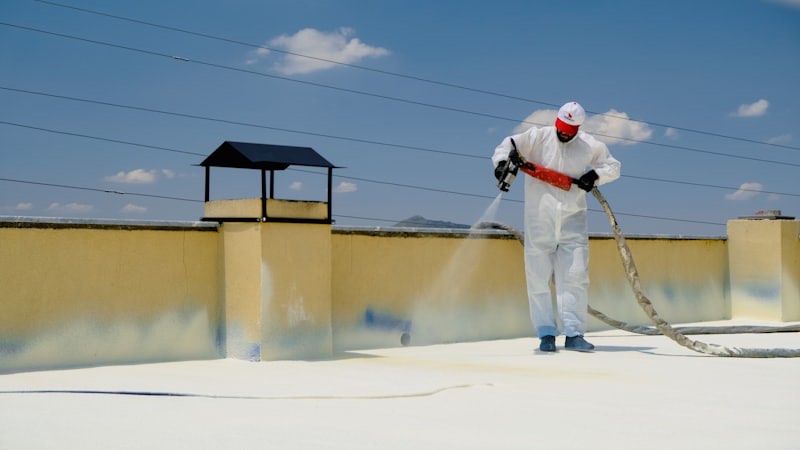
For comprehensive protection of your San Francisco property, you might also consider our Waterproofing Flat-Roof Systems service. This can extend the life of an existing roof or provide an added layer of defense against the persistent dampness and fog unique to the San Francisco climate. If your current flat roof is beyond repair, our expertise also extends to Roof Replacement Commercial Flat-Roof Systems or Roof Replacement Multi-Family & HOA, offering durable, long-term solutions tailored to the demands of urban properties.
The Real Cost of Delaying Flat-Roof System Repairs in San Francisco
Ignoring issues with your San Francisco flat-roof system can lead to a cascade of costly consequences. What starts as minor ponding or a subtle stain can quickly escalate into significant structural damage, requiring expensive repairs to interior finishes, electrical systems, and even the building's framework. Persistent moisture creates an ideal environment for mold and mildew, posing serious health risks to occupants and significantly reducing your property's value.
For commercial properties or multi-family residences, unresolved roof problems can lead to business interruption, tenant dissatisfaction, and potential liability issues. Procrastination almost always results in higher repair costs in the long run, often turning a manageable repair into a complete, unplanned roof replacement. Addressing these problems promptly protects your investment and ensures the long-term integrity of your building.
Secure Your San Francisco Property's Future
Don't let flat-roof system problems compromise the integrity and value of your San Francisco property. With Northern Pacific Roofing, you gain a partner dedicated to delivering high-performance exterior solutions with uncompromising integrity and artisanal craftsmanship. For the peace of mind that comes from a decades-long solution, contact us today for an expert assessment of your San Francisco flat roof.
Need This Service?
Contact us today to discuss your needs. Our team is ready to help.
Other Service Areas
Related Services
Explore Our Roofing Services
- Roof ReplacementFull GAF & Malarkey roof systems built for North Bay fog, wind, and wet winters.
- Roof InspectionDocumented diagnostic inspections that catch failed flashing and underlayment early.
- Waterproofing SystemsDeck, balcony, and low-slope waterproofing that stops intrusion at the source.
- James Hardie SidingFactory-trained fiber-cement siding that stands up to North Bay weather.
- Commercial RoofingPVC and modified-bitumen flat-roof systems for commercial and multi-family properties.
- Residential RoofingRepairs, re-roofs, and maintenance backed by a 25-year workmanship warranty.
Ready to Get Started?
Contact us today for a free estimate. Our certified professionals are ready to help.