
What this is
Most homeowners face the repair-vs-replace decision after a leak, a storm, or
a home inspection during a sale. The honest answer depends on three variables:
the scope of the failure (single penetration vs system-wide), the
remaining useful life of the roof system, and the
roof slope — because slope dictates which
roofing systems are even allowed under California Residential Code. A flat or
low-slope roof has different repair-vs-replace economics than a steep-slope
shingle roof, and a roof in a WUI fire zone narrows the legal replacement
options further. This guide is the rubric we use in the field.
When this applies in the North Bay
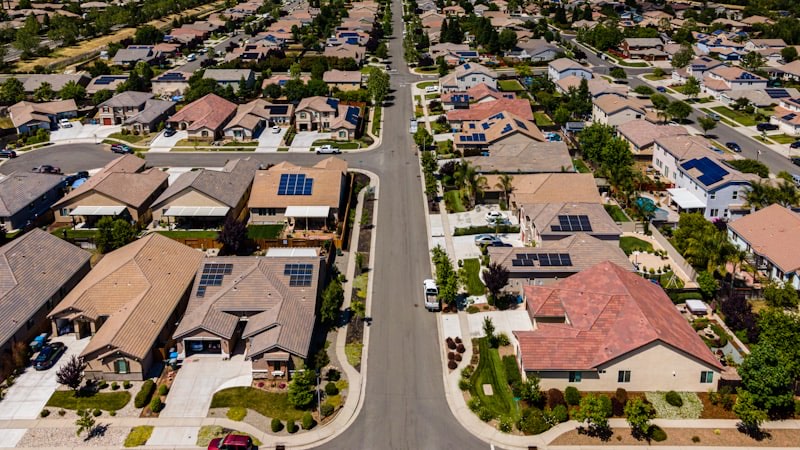
The repair-vs-replace question becomes urgent in the North Bay during three
predictable windows:
Atmospheric river season (Nov–Mar). Heavy sustained rain
exposes flashing failures and worn underlayment. A leak that started in
January usually shows up as ceiling staining and tells you you've been
running a compromised roof for one or two seasons already.
Pre-sale home inspections. Marin and Sonoma listings move
fast in spring; sellers learn at the 11th hour that the buyer's inspector
flagged the roof. The decision rubric below decides whether a credit and
repair will close the deal or whether you need a full replacement to defend
the asking price.
Insurance non-renewal letters. California carriers are
increasingly auditing roof age in WUI zones; some non-renew on roofs older
than 20 years unless re-roofed with a
Class A fire-rated system. If you've received a notice, the repair
window is closed — replace, or risk no coverage.
Tear-off versus overlay is a
separate sub-decision inside replacement. In WUI zones, code usually
requires tear-off.
Warning signs & common mistakes
Use this rubric. Repair is reasonable when:
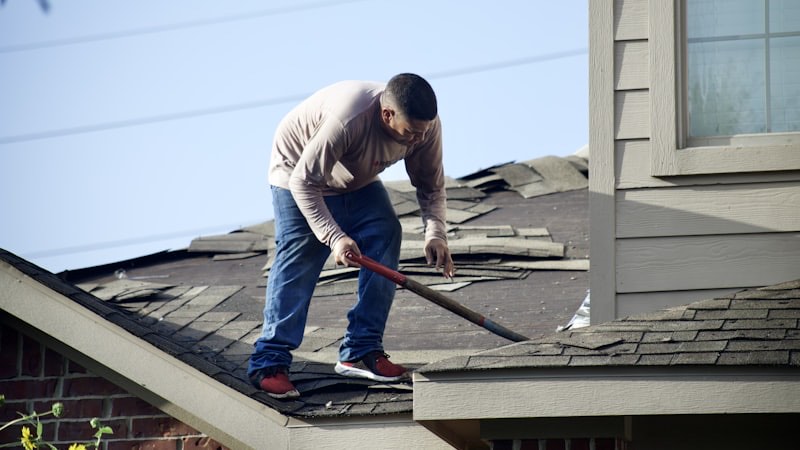
- The leak source is a single penetration (one chimney, one vent stack, one
skylight) and the surrounding shingles still hold granules.
- Step flashing failed at one wall
intersection — flashing can be re-set without replacing the field.
- Wind lifted a single course of shingles on one slope and adjacent slopes
are sound.
- The roof is under 12 years old and has documented attic ventilation that
meets code.
- The damage is from a single, dated event you can point to (a fallen
branch, a storm).
Replacement is the correct call when:
- Granule loss is widespread on more than one slope (UV-driven, not localized).
- The underlayment is the same age as the shingles (re-shingling over aged
felt buys you 5 years, not 20).
- You've paid for the same leak area twice. The third repair is throwing
good money after bad.
- The roof is past 20 years old AND in a WUI zone with insurance pressure.
- Multiple slopes show cupping, curling, or visible deck deflection.
- A buyer's inspector or appraiser called it out and the contingency window
is open.
Don't fall for these: "Sealant-only" repairs on cracked
flashing buy a season, not a decade. "Spot replacement" of one slope on a
3-slope roof is rarely cheaper over 10 years than full replacement, because
the other two slopes age out 18 months later.
How Northern Pacific handles this
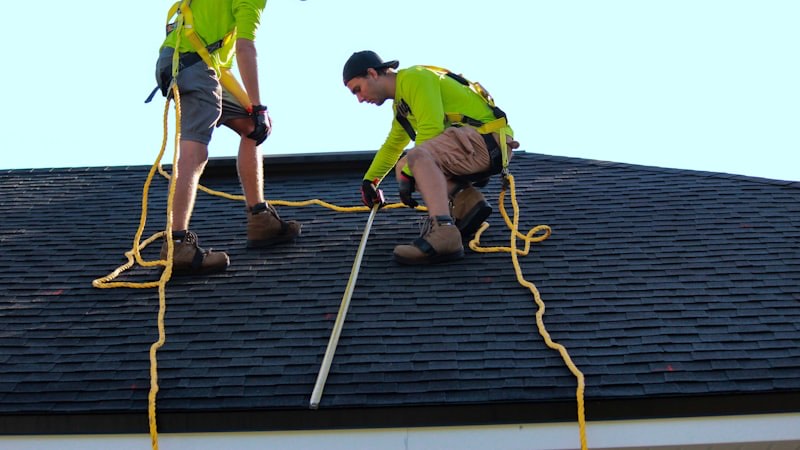
Northern Pacific's standard inspection produces a written report with photo
documentation of every flashing, penetration, and ridge condition we
evaluated. When a repair is genuinely the right call, we say so — and we
quote the repair. When the math points to replacement, we walk you through
both options on paper: the repair cost projected against likely return-visit
frequency over 5 years, versus a documented 25-year manufacturer-backed
warranty replacement.
We're GAF Master Elite and
Malarkey Emerald certified.
Both certifications were earned, not bought — they require continuing
education, completed-job audits, and warranty-claim performance review.
That's why we can offer the
GAF Golden Pledge and
Malarkey Emerald Premium warranties. For flat or low-slope sections (porch
roofs, additions, commercial), we install
PVC single-ply membrane with full-system warranty backing. CA Lic. #812250.
What to do next
If you're staring at a leak or an inspection report and not sure which side of
the line you're on, the right next move is a documented inspection — not a
panic decision.
Book a roof inspection
Call (415) 456-3482
For the cost side of replacement, see
Roof Replacement Cost in
Marin County. For warning-sign details, see
Signs Your Roof
Needs Replacement.
Frequently asked questions
Is a spot repair worth it if my roof is 18 years old?
Usually not — at 18 years on an architectural shingle roof, you're 2–7 years from the natural replacement window, depending on exposure and ventilation. A $1,500 repair that buys 18 months pencils out far worse than rolling that money into the deductible on a full replacement that comes with a 25-year manufacturer warranty. We'll show you the math both ways before recommending.
Can I just replace the one slope that's failing?
Technically yes, but rarely a good idea. The other slopes are typically within 18–24 months of failing themselves — UV exposure and ventilation are global, not slope-specific. Replacing one slope means you'll pay full mobilization and tear-off costs twice. Manufacturers also won't extend the system warranty to a partial install.
Will my homeowner's insurance cover a roof repair?
Insurance covers sudden, accidental damage — a storm, a tree limb, hail — not age-related wear. If a recent storm caused a specific failure, file a claim and we'll provide the documentation your adjuster needs. If the underlying issue is age or wear, the claim will be denied. We can tell you which side of that line your roof is on during the inspection.
Does being in a WUI zone force me to replace instead of repair?
Not necessarily, but it does narrow the options when you eventually replace. WUI rules require Class A fire-rated systems — typically SBS-modified asphalt or concrete tile. Repairs of an existing Class A roof are still allowed. If your current roof is non-Class A and you're in a WUI zone, an insurance non-renewal could force the issue ahead of natural end-of-life.
Related guides
Terms in this guide
Related services
Reviewed by
Barry Murrin
Founder & Owner, Northern Pacific Roofing — reviewed for technical accuracy
Last updated:
Methodology
Decision rubric distilled from 25 years of NPR inspections in Marin and Sonoma, cross-referenced with California Residential Code Chapter 9 and current insurer underwriting trends in WUI fire zones.