

What this is
Most roofs don't fail overnight — they degrade across 3–5 years before the
ceiling stain shows up. By the time water reaches drywall, the system has
been compromised for months. This guide is the list of upstream signals we
look for on every Marin and Sonoma inspection — the things you can sometimes
spot from the ground, sometimes from the attic, and always with a documented
roof inspection. Catching a roof at the right end-of-life moment saves
2x–3x versus an emergency replacement during atmospheric river season.
When this applies in the North Bay
Marin and Sonoma roofs telegraph end-of-life on a different timetable than
inland-California averages because of three local factors: persistent fog in
West Marin and coastal Sonoma (moss and lichen accelerate weathering),
high UV on inland south-facing slopes, and the disproportionate share of
homes built between 1955 and 1985 that have aged-out underlayment regardless
of the surface shingle's apparent condition.
Pay special attention if any of the following is true: the roof is older
than 20 years, you've never had a documented inspection, your home is in a
WUI fire zone, your insurer has sent a renewal notice asking about roof age,
or you're planning to list within 18 months.
Warning signs & common mistakes
The eight signs we look for, in order of urgency:
1. Light through the roof deck. Stand in the attic with the
lights off at midday. Any visible daylight through the sheathing means
active water entry waiting for the next rain. Replace within weeks, not
months.
2. Active drips during rain. Self-explanatory. Most
homeowners try to source the leak from inside — the actual entry is
usually upslope by 4–8 feet, hidden by underlayment. Get a documented
inspection while it's still wet.
3. Visible deck sag or sponginess walking the roof.
Structural. Stop walking on it and call.
4. Repeated leaks after spot repair. Two repairs in the
same area in two years = the system has failed. The third repair will
not be the last.
5. Widespread granule loss
on multiple slopes. Granules in the gutter and bare spots
you can see from the street. The shingle is at end-of-life — the
underlayment is usually right behind.
6. Curling, cupping, or buckling shingles. Caused by
under-ventilated attic, age, or both. Adjacent slopes are aging at the
same rate.
7. Missing, lifted, or rust-streaked
step flashing at chimneys, walls,
skylights. Step flashing fails before shingles. If yours is
visibly compromised, the underlying water entry is older than the
visible stain.
8. Moisture in the attic. Damp insulation, blackened
sheathing, or visible mold. Even without a ceiling stain yet, the
roof is letting water through. See
attic ventilation — sometimes
the issue is ventilation, not the surface. A real inspection
distinguishes the two.
Bonus 9th sign: Granule wash deposit on the patio
under downspout outlets. If the patio has a colored stripe where the
downspout discharges, that's months or years of accumulated granule loss.
How Northern Pacific handles this
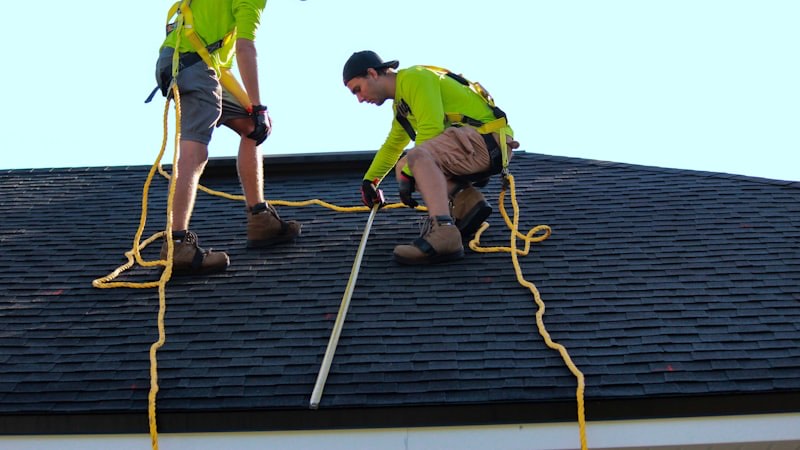
Northern Pacific's inspection produces a written report and 8–12 photos
documenting whichever of these eight signs we found and whichever we ruled
out. We tell you the timeline honestly: "weeks," "this season," "1–3 years
plan for it," or "still has 5–10 years of life — re-inspect in 3."
We're GAF Master Elite and
Malarkey Emerald Certified, so when replacement is the call, we install
systems backed by the strongest manufacturer warranties in residential
roofing — both 25 years, both transferable. We add
ice & water shield in valleys and at penetrations as a default, not
an upgrade. CA Lic. #812250.
If a competing inspector says your roof is fine and our inspection finds
problems, we'll show you photos and the math. If a competing inspector
says your roof is failing and ours says you have 5 years left, we'll show
you the photos for that too. The work product is documented either way.
What to do next
If you've spotted one or two of these signs from the ground, the responsible
next step is a documented inspection — not a sales pitch. We charge nothing
for the inspection and walk you through what we found in plain English.
Book a free inspection
Call (415) 456-3482
If the answer is clearly replacement, see
Roof Replacement Cost and
Repair vs Replace.
Frequently asked questions
How do I spot granule loss without climbing on the roof?
Three places to look from the ground: gutter outlets and downspout discharge points (granules collect like coarse sand), the patio or driveway under the downspouts (a colored stripe means months of accumulated loss), and the roof itself from a second-story window with binoculars (bare spots show as darker patches where granules are missing). Don't climb on a 20+ year-old roof yourself.
I see one sign — do I have time to wait?
Depends which sign. Light through the deck or active drips: weeks. Repeated leaks: this season. Curling shingles or widespread granule loss without active leaks: typically 1–3 years to plan for it. The honest answer comes from a documented inspection — we'll tell you what window you're actually in.
Is moss on the roof a sign I need replacement?
Moss alone isn't end-of-life — it's a maintenance issue. In West Marin and coastal Sonoma, persistent fog grows moss on virtually every roof eventually. The problem is moss traps moisture against the shingle and accelerates granule loss underneath. Treat it annually (zinc strips, mild solution applied dry), and don't power-wash — power washing destroys what's left of the granules.
My ceiling has a stain but the roof looks fine — what's going on?
The visible entry point is usually 4–8 feet upslope from the stain — water tracks along the underside of the sheathing before dropping through. A roof that 'looks fine' from the ground often has compromised flashing at a penetration, a failed pipe boot, or a valley with worn underlayment. An attic inspection plus a roof-surface inspection together find these.
Related guides
Terms in this guide
Related services
Reviewed by
Barry Murrin
Founder & Owner, Northern Pacific Roofing — reviewed for technical accuracy
Last updated:
Methodology
The eight signs and urgency ladder are distilled from 24 years of Northern Pacific inspections in Marin and Sonoma — the patterns that consistently predict end-of-life across architectural shingle, SBS, tile, and low-slope systems.