Why We Refuse to Power Wash Moss Off Your Asphalt Shingles This Fall
Northern Pacific Roofing

The Dangerous Appeal of a Quick Fall Roof Cleanup
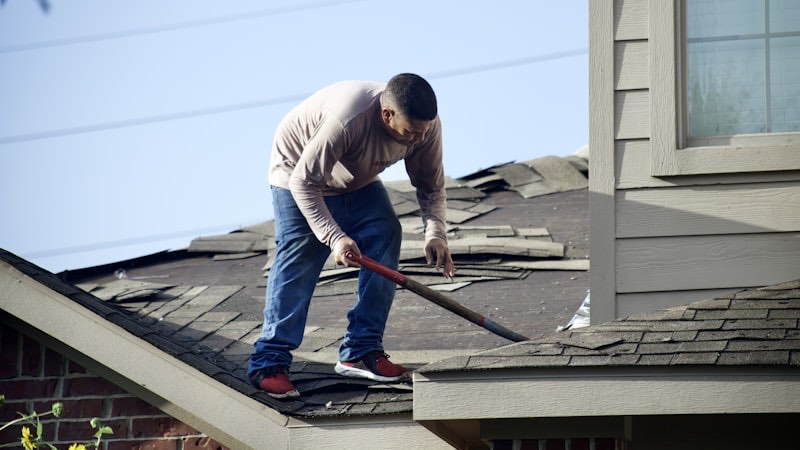
You might be wondering exactly why we refuse to power wash moss off your asphalt shingles this fall, especially when that green, fuzzy buildup looks so alarming against the changing sky. In our years of servicing roofs across Marin County, our team has seen firsthand how the damp, foggy microclimates in San Rafael CA settle in during the autumn months, causing moss growth to rapidly accelerate across local neighborhoods. It is incredibly frustrating to look up at your home and see unsightly green patches spreading across the roofline. The immediate instinct for many homeowners is to request a high-pressure washing service to blast the growth away and instantly restore the home's curb appeal before the holiday season.
Here is the thing: that quick aesthetic fix comes at a massive, hidden cost. Homeowners who request this service are often entirely unaware of the severe mechanical damage high-pressure water inflicts on modern roofing materials. You are standing at a critical decision point. You must choose between an immediate, visually pleasing cleanup and preserving the delicate, underlying waterproofing layer that actually protects your living space.
As professional roofers at Northern Pacific Roofing, we maintain an authoritative, unyielding premise on this topic. We outright refuse to power wash asphalt shingles because we know from extensive field experience that it guarantees material failure when the heavy winter storms arrive. Instead of rushing into a destructive cleaning process, taking the time to design your new roof system or properly evaluate your current one is the only way to ensure long-term safety. The temporary satisfaction of a moss-free roof is never worth sacrificing the structural integrity of your home just weeks before the rainy season begins.
What High-Pressure Water Actually Does to Asphalt Shingles
To understand why our Northern Pacific Roofing crews take such a hard stance against pressure washing, you have to look closely at the anatomy of an asphalt shingle. These shingles are not solid blocks of stone or metal; they are carefully engineered, multi-layered composites designed to shed water and reflect sunlight. When you introduce a concentrated stream of high-pressure water to this delicate ecosystem, the results are catastrophic.
The typical residential power washer operates at anywhere from 1,500 to 3,000 pounds per square inch (PSI). To put that into perspective, even the most severe natural rainstorm hits your roof with a fraction of a single PSI. Asphalt shingles are designed to withstand gravity-driven rain, not concentrated industrial force. If you are concerned about the current state of your roof after a previous cleaning attempt, it is always wise to get a free second opinion on your roof's condition before the weather turns.
Stripping Protective Granules
The first line of defense: The topmost layer of an asphalt shingle consists of tiny, ceramic-coated mineral granules. These granules are heavily embedded into the asphalt during the manufacturing process. They serve two vital purposes: they act as primary armor against physical impacts (like hail or heavy rain), and they block ultraviolet (UV) rays from baking and cracking the asphalt beneath.
The immediate damage: High-pressure washing forcefully strips years of this crucial granular protection in a single afternoon. When the wand passes over the shingles, it blasts the granules out of their asphalt bed, washing them straight down into your gutters. Without these granules, the exposed asphalt will quickly dry out, blister, and crack under the sun, instantly aging the roof by a decade or more.
Breaking the Adhesive Seal
The engineered bond: Modern shingles feature a specialized strip of thermal sealant. Once installed and warmed by the sun, this sealant bonds each shingle to the one directly beneath it. This continuous adhesive seal is what prevents wind uplift and stops driving rain from blowing backward underneath the overlapping layers.
The structural failure: High PSI water acts like a liquid scalpel. It slices directly through these thermal seals, breaking the bond entirely. Once the seal is broken, the shingles are left loose and vulnerable. Worse still, the extreme pressure actually drives the water upward, forcing moisture directly onto the vulnerable underlayment and the wooden roof deck below.
| Force Factor | Natural Heavy Rainstorm | High-Pressure Washing |
|---|---|---|
| Water Direction | Gravity-driven, flowing downward over overlaps. | Multi-directional, often forced upward under overlaps. |
| Impact Pressure | Less than 1 PSI, dispersed across the surface. | 1,500 to 3,000+ PSI, concentrated in a narrow beam. |
| Granule Loss | Minimal, gradual shedding over 20-30 years. | Severe, immediate stripping of embedded minerals. |
| Seal Integrity | Remains intact, defending against wind and moisture. | Mechanically sliced open, leaving shingles loose. |


Why Late Fall is the Worst Time to Compromise Your Roof
Timing is everything when it comes to exterior home maintenance. Stripping the protective elements from your roof is a terrible idea at any time of year, but doing it in November pre-winter rainstorms is a recipe for disaster. The transition from the mild, damp fall weather to the severe Pacific winter storms ruthlessly tests the integrity of every home in the Bay Area.
The masking effect of autumn: One of the biggest dangers of a late fall pressure wash is that the damp, relatively calm conditions mask the severity of the damage. You might look up at your newly cleaned roof in mid-November and think it looks fantastic. Because it isn't raining heavily yet, you won't immediately notice that the adhesive seals are broken or that the underlayment is now absorbing ambient moisture.
The atmospheric river test: When the first major atmospheric river hits, a compromised roof will fail rapidly. Water will find every broken seal and bare patch of asphalt. A roof stripped of its defenses in late fall will almost certainly begin to leak by mid-winter. Our repair crews see this pattern constantly across San Rafael. For example, one local homeowner called us needing a double roof removed and a completely new plywood base installed during the autumn season specifically to prepare for upcoming atmospheric rivers. Our crew arrived on time and efficiently completed the extensive removal and new installation quickly while the residents worked from home. If they had attempted to just pressure wash their aging, moss-covered roof instead of replacing it, the impending storms would have caused catastrophic interior flooding.
Understanding the benefits of regular roof inspections during the fall is crucial. A professional evaluation from our team will tell you exactly how your roof will perform under winter stress, rather than simply blasting away surface blemishes and hoping for the best.
The Hidden Costs: Voided Warranties and Premature Replacement
The consequences of taking a high-pressure wand to your shingles extend far beyond the immediate physical damage. There are severe long-term administrative and structural penalties that homeowners rarely consider until it is too late. The roofing industry as a whole recognizes the destructive nature of this practice, and manufacturer policies reflect that reality.
Manufacturer Guidelines Prohibit Power Washing
Strict maintenance standards: The Asphalt Roofing Manufacturers Association (ARMA) issues strong, unambiguous advisories against the use of high-pressure washing systems on asphalt roofing. When you purchase a new roof, the manufacturer's warranty requires you to adhere to specific, documented maintenance standards. These standards explicitly prohibit practices that cause unavoidable material degradation.
Instant warranty termination: If you hire a company to pressure wash your roof, or if you do it yourself, you typically void the manufacturer's warranty immediately. Factory inspectors can easily tell if a roof has been pressure washed. The telltale signs—heavy, unnatural granule loss, swirl marks etched into the asphalt, and mechanically lifted seals—are impossible to hide. If your roof fails prematurely after being washed, the manufacturer will rightfully deny the warranty claim, leaving you entirely responsible for the replacement costs.
Accelerating the Need for New Installation
Plummeting lifespan: Once the waterproofing layer is compromised and the UV granules are washed away, the roof's lifespan plummets drastically. Asphalt that is exposed directly to the sun will bake, turn brittle, and crack within a few short seasons. What might have been a roof with ten years of life remaining suddenly becomes a critical liability.
Forced replacement: Homeowners who sought a cheap aesthetic fix are frequently forced into a premature asphalt shingles installation just a year or two later. Contrasting the perceived, short-lived benefit of a clean-looking roof with the harsh reality of an unprotected, failing system highlights exactly why consulting with trusted roofing professionals is the only safe path forward.
Water Intrusion and the Threat to Your Home's Exterior
A compromised roof does not just affect the shingles; it threatens the entire envelope of your home. When high-pressure water breaks the seals and forces moisture underneath the asphalt, it begins a cascading chain reaction of water intrusion that can rot your house from the top down.
Unseen roof deck rot: The moisture forced upward by the pressure wand sits trapped between the shingles and the underlayment. Over time, this moisture penetrates the wooden roof deck (the plywood or OSB boards that form the structure of your roof). Because the attic is often poorly ventilated, this trapped moisture breeds mold and causes the wood to rot silently. You will not see this damage from the ground, and by the time a water stain appears on your living room ceiling, the structural decay is already severe.
Overwhelmed drainage systems: Furthermore, compromised roofs shed water unpredictably. Broken, lifted shingles alter the natural flow of rainwater, often causing it to bypass the gutters entirely. When water cascades over the edge of the roof instead of flowing neatly into the downspouts, it pounds against the side of your house. This improper runoff can severely damage your exterior walls and eventually pool around the foundation, leading to settling and structural cracking.
The threat of sudden water intrusion is very real. Another local homeowner reached out to our Northern Pacific Roofing team during the spring with an urgent need for roof protection before forecasted massive downpours. We performed emergency patch jobs prior to the predicted storms, providing critical temporary reinforcement until a brand new roof could be installed. Pressure washing an aging roof practically guarantees you will find yourself in a similar emergency situation when the weather turns. Protecting your home requires a holistic approach, which is why maintaining the roof is just as vital as ensuring your exterior siding protection is intact.
Our Professional Standard: Prioritizing Integrity Over Aesthetics
When a homeowner calls our office in November asking for a quick moss-removal pressure wash, it would be very easy to say yes, take the job, and move on. However, our team refuses to do so. We frame this refusal not as an inconvenience to the customer, but as a strict professional standard built on integrity and expertise.
Commitment to long-term health: True roofing professionals prioritize the long-term health of your waterproofing layer over making a quick profit on damaging aesthetic treatments. Our commitment is to the structural safety of your home. We know exactly what happens to asphalt shingles under high pressure, and we will not subject your property to that kind of guaranteed failure.
Safe alternatives do exist: This does not mean you have to live with a moss-covered roof forever. There are safe, manufacturer-approved methods for dealing with organic growth. Low-pressure soft washing—which uses specialized, eco-friendly chemical treatments to kill moss spores down to the root without mechanical force—is a viable option. Professional manual removal, using gentle brushing and zinc or copper treatments, is another acceptable alternative.
The danger of DIY: We strongly caution against DIY methods or hiring unspecialized exterior cleaning companies who treat roofs the same way they treat concrete driveways. Putting a 3,000 PSI wand in the hands of someone who does not understand roofing mechanics puts your entire home at risk. We stand by our refusal because protecting your home is our ultimate responsibility.
Frequently Asked Questions About Roof Moss and Cleaning
Why shouldn't you pressure wash a roof?
You should never pressure wash a roof because the high-velocity water causes severe mechanical damage to the roofing materials. It violently strips away the protective ceramic granules that shield the asphalt from the sun's UV rays. Additionally, the extreme force can slice through the thermal adhesive bonds that hold the shingles together, leaving your roof highly susceptible to wind damage and severe water leaks.
Does power washing a roof damage shingles?
Yes, power washing absolutely damages asphalt shingles. The concentrated stream of water acts like an abrasive grinder, instantly removing years of protective surfacing in seconds. Once those granules are gone, the exposed asphalt will rapidly dry out, blister, and crack, significantly reducing the overall lifespan of the entire roofing system.
Does pressure washing a roof void the warranty?
In almost all cases, pressure washing a roof will immediately void the manufacturer's warranty. Roofing manufacturers explicitly outline proper maintenance procedures, and the Asphalt Roofing Manufacturers Association (ARMA) strongly advises against high-pressure cleaning. Factory inspectors can easily identify the unique swirl marks and uniform granule loss caused by pressure washing, which will result in a denied warranty claim.
What happens if you pressure wash asphalt shingles?
If you pressure wash asphalt shingles, you forcefully drive water upward and underneath the overlapping layers. This breaks the wind seal and pushes moisture directly onto the vulnerable underlayment and the wooden roof deck. This trapped moisture leads to unseen wood rot, mold growth in the attic, and eventual interior ceiling leaks when the next major rainstorm hits.
How do you remove moss from a roof without damaging shingles?
The safest way to remove moss is through professional low-pressure soft washing or gentle manual removal. Soft washing uses specialized, manufacturer-approved cleaning solutions to kill the moss spores at the root without relying on mechanical force. Over time, the dead moss naturally detaches and washes away with normal rainfall, preserving the delicate granular surface of the shingles.
Will moss ruin an asphalt shingle roof if left untreated?
Yes, untreated moss will eventually ruin an asphalt shingle roof, though it happens much slower than the instant damage caused by a pressure washer. Moss acts like a sponge, absorbing and holding moisture against the roof surface long after the rain has stopped. Over time, the roots of the moss can lift the edges of the shingles, allowing water to seep underneath and slowly rot the roof deck.
Secure Your Home's Waterproofing Before Winter
The underlying truth is simple: preserving your roof's delicate waterproofing layer is vastly more important than removing moss quickly with a destructive pressure washer. The momentary satisfaction of a clean-looking roof is never worth the stress, structural damage, and inevitable leaks that will follow when the heavy winter storms arrive.
By understanding exactly why high-pressure water is the enemy of asphalt shingles, you can make informed decisions that protect your home's envelope. Abandoning the pressure-washing idea saves your roof from premature failure and keeps your warranty intact. As the damp fall weather continues, we encourage you to seek a professional evaluation to address any moss safely and accurately assess your home's winter readiness. Secure your waterproofing now, and enjoy the peace of knowing your home is fully protected against whatever the season brings.
Need Help?
Contact us today to discuss your needs. Our team is ready to help.
Recent Posts
- Navigating San Rafael’s Strict Building Codes for Historic Roof Overhangs
- Common Roof Problems in the North Bay — and How to Troubleshoot Them
- Comparing Your Roofing System Options: Which Is Right for Your Home?
- How Often Should You Schedule Roof Maintenance in the North Bay?
- 5 Signs Your Roof Is Telling You It Needs a Pro
Related Articles


Ready to Get Started?
Whether you need a repair, maintenance, or a new installation, our expert team is here to help.